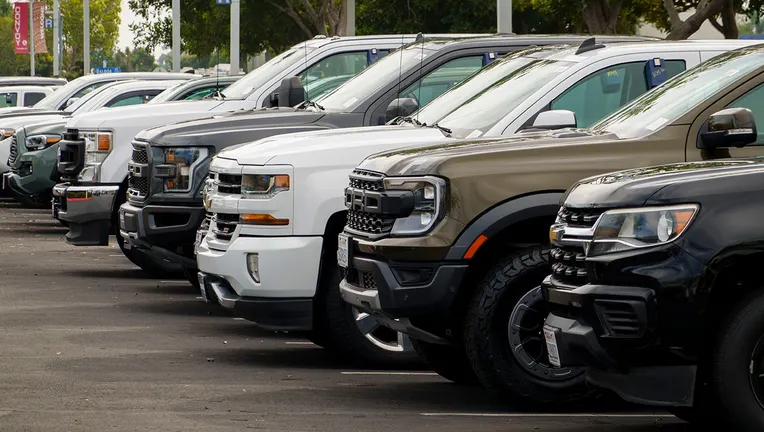
Used-car shoppers have learned to read the market with more suspicion. A low sticker price can disappear once fees, financing terms, reconditioning charges, title delays, and delivery costs enter the deal. That makes 2026 a tricky year for bargain hunters. Online auctions look tempting because the bid price often starts far below retail. Used dealerships look safer because the car is easier to inspect, finance, register, and drive home.
The real savings depend on the buyer, the car, and the total cost after purchase. Some shoppers can save thousands through cheap car auctions, especially on older vehicles, fleet units, repossessions, and repairable cars. Others spend less at a used dealership because they avoid surprise repairs, transport bills, title problems, and auction fees that were missing from the first bid calculation. The better deal comes from math, patience, and a clear limit before emotion enters the purchase.
Why 2026 Changed the Used-Car Bargain Hunt
The 2026 used-car market remains under pressure. High new-vehicle prices push more households toward used options, making clean, late-model cars harder to find at deep discounts. With dealers competing for the exact same budget-friendly inventory, easy bargain hunting is largely over.
Online auctions gained traction by exposing shoppers to nationwide inventory, salvage units, fleet cars, and repossessions, creating real savings when local supply is tight.
Conversely, used dealerships still win on convenience. Shoppers can test-drive, arrange financing, and handle trade-ins in one visit. However, this convenience includes dealer margins covering lot costs, advertising, and staff. For buyers, the question remains: are those extra costs worth paying to drastically reduce risk?
Where Online Car Auctions Save Real Money
Auctions yield the most savings on vehicles with a wide discount gap. Older sedans, high-mileage commuters, hail-damaged cars, and fleet vehicles offer better auction value than popular late-model SUVs. Mechanically sound cars with cosmetic flaws, like dents or torn seats, are brilliant buys. These issues scare off casual bidders, allowing shoppers with trusted mechanics to accurately price repairs and bid lower.
However, the auction route only works when the bid is treated as just one line item. A $7,000 winning bid easily reaches $8,500 or more after auction fees, gate charges, transport, taxes, and initial repairs. Successful buyers always set their maximum bids based on this comprehensive final number.
Where Auctions Become More Expensive
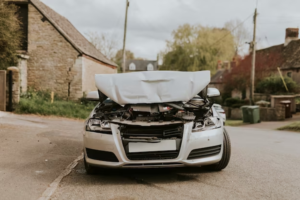
Auction losses generally start with optimistic math. Buyers assuming minor repairs often discover worn tires, dead batteries, oil leaks, or undisclosed prior damage upon delivery. Even accurate photos cannot replace hands-on inspections.
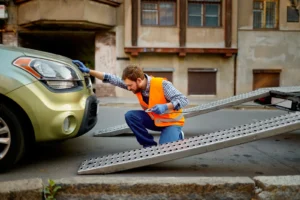
Transport logistics can also erase a bargain quickly. Moving out-of-state or non-running cars requires carrier shipping and is expensive, while delayed pickups trigger additional storage fees.
Title status is another major pitfall. Salvage, rebuilt, or flood-branded titles drastically alter a vehicle’s value. A rock-bottom price means nothing if the car becomes impossible to insure, finance, legally register, or eventually resell.
Why Dealerships Still Win for Some
Dealerships remain the superior choice for buyers prioritizing time, legal protection, and certainty. Dealers provide mandatory disclosures, and vehicles often include limited warranties, certified pre-owned perks, or clear avenues for resolving paperwork.
This route significantly reduces purchasing friction. Buyers can physically compare units, request pre-purchase repairs, and leverage trade-ins. For busy shoppers needing immediate, reliable daily transportation, these practical benefits easily justify a higher upfront price.
Dealership savings ultimately rely on negotiating the “out-the-door” number rather than the advertised price. A slightly higher listing price with zero hidden add-ons consistently beats a cheaper listing inflated by mandatory accessories.
The Fee Comparison Often Missed
Both channels carry distinct fees that fundamentally change the deal. Auctions charge buyer fees based on the final price, plus internet bidding, gate, environmental, and title fees. These must be calculated beforehand.
Dealership fees vary widely. While taxes and clear documentation fees are standard, buyers should aggressively push back on inflated add-ons like nitrogen-filled tires, VIN etching, paint protection, or vague reconditioning charges.
The cleanest comparison totals everything upfront:
- Auction Total: Bid price + auction/broker fees + transport + inspection + taxes/registration + immediate repair buffer.
- Dealership Total: Sale price + dealer fees + mandatory add-ons + financing costs + taxes/registration + uncovered repairs.
Which Buyer Should Choose Each Option?
Online auctions strictly suit buyers who can decode history reports, arrange their own transport, and tolerate mechanical uncertainty. They are perfect for rebuilders, mechanically inclined shoppers, or those with access to affordable labor.
Used dealerships are ideal for buyers needing quick transportation, those dependent on conventional financing, or families seeking a primary commuter vehicle with minimal downtime.
A growing middle ground involves buying auction cars through brokers or independent dealers. You pay a slight markup, but the vehicle arrives much closer to retail-ready, removing the worst uncertainties.
Deciding Where You’ll Save More in 2026
Your decision should start with the vehicle type. Auctions are best for older cars, project vehicles, or models with enough discount to comfortably absorb repairs. Dealerships make more sense for late-model trucks, hybrids, and family SUVs where hidden mechanical issues are financially devastating.
Always price the risk objectively. Pull history reports, review photos for panel gaps or water lines, and demand pre-purchase inspections or service records.
The smartest 2026 bargain hunters use the exact same worksheet for both channels. The absolute winner is the option offering the lowest safe out-the-door total, not just the lowest advertised number.
Stay in touch to get more updates & news on Cars Destiny!