Norcross, Georgia, is part of the greater Atlanta metropolitan area and features a mix of residential neighborhoods and busy commercial zones. Many residents commute daily using local roads and nearby highways, which puts regular stress on their vehicles. This makes proper care especially important for BMW brake systems, which require precise service and maintenance to perform reliably.
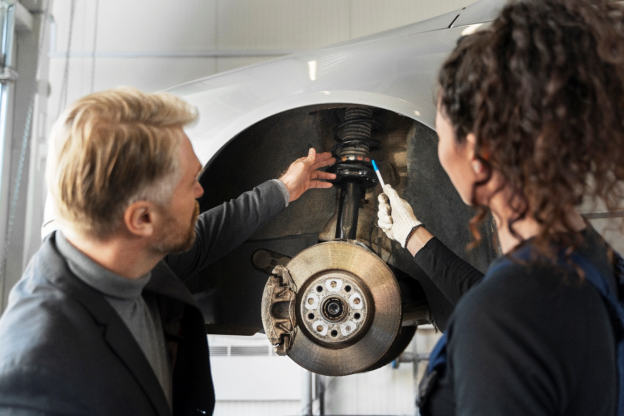
A complete BMW brake system service should include inspection and servicing of brake pads, rotors, calipers, brake fluid, and all related components to ensure safe and accurate stopping performance. Because BMW vehicles are built with performance-focused braking systems, proper service demands precision and attention to detail.
Properly maintained brake systems reduce the risk of uneven wear and unexpected issues. Choosing experienced Norcross BMW brake repair professionals ensure a complete and systematic evaluation of the braking system for accurate service and dependable results.
Brake Pad Inspection and Replacement
Brake pad inspection is one of the first steps in a complete brake service. BMW brake pads are designed for strong stopping power, which means they often wear faster than standard pads. Worn pads are replaced with BMW-approved or equivalent performance pads. This helps maintain a consistent braking feel and predictable stopping distances.
Rotor Inspection, Resurfacing, or Replacement
In order to transfer pedal pressure to the brake system, brake fluid is essential. Regardless of mileage, BMW advises replacing brake fluid every two years. Technicians replace deteriorated fluid and check fluid moisture levels. Consistent braking performance and a firm pedal feel can be maintained with the help of fresh brake fluid.
Brake Fluid Testing and Replacement
Brake fluid plays a critical role in transferring pedal pressure to the brake system. BMW recommends brake fluid replacement every two years, regardless of mileage. During service, technicians test fluid moisture levels and replace degraded fluid. Fresh brake fluid helps maintain a firm pedal feel and consistent braking performance.
Are Brake Calipers and Hardware Checked?
During a comprehensive service, mounting hardware, guide pins, and brake calipers are examined. These parts guarantee that the brake pads receive uniform pressure. Uneven pad wear and pulling during braking can be caused by worn hardware or sticking calipers. The entire brake system can be protected when these problems are detected early.
Brake Lines, Hoses, and Seals Inspection
Brake lines and rubber hoses are checked for leaks, cracks, or internal deterioration. Even small issues can affect brake pressure and response. BMW brake repair planning includes addressing hose or seal wear before it leads to fluid loss or braking imbalance.
System Reset and Road Testing
Modern BMWs often require electronic brake system resets after service. This ensures sensors and onboard systems works properly and reflect accurate brake condition data. A road test follows to confirm smooth braking, proper pedal response, and the absence of abnormal noise.
Why a Complete Brake Service Matters
A partial brake job may address only immediate wear issues. A complete service ensures all components work together as designed. This approach improves safety, extends component life, and preserves BMW driving performance.
Key Takeaways
- A complete BMW brake service includes pads, rotors, fluid, and hardware
- Brake rotors are inspected for heat damage and thickness
- Brake fluid is tested and replaced when degraded
- Calipers and hardware are checked for smooth operation
- Brake lines and hoses are inspected for leaks or wear
- Electronic resets and road testing complete the service
Keep an eye for more latest news & updates on Cars Destiny!