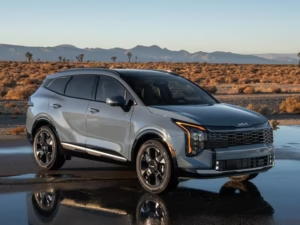
The luxury car rental industry has evolved far beyond simple convenience. What was once a niche offering for special occasions is now a sophisticated service catering to business travelers, tourists, and individuals seeking elevated driving experiences. As mobility trends shift globally—driven by sustainability goals, digital innovation, and changing consumer expectations—the luxury rental sector is being reshaped in meaningful ways.
This transformation is not just about the vehicles themselves. It reflects broader changes in how people perceive ownership, status, and flexibility. Understanding these dynamics offers valuable insight into where the industry is heading and how premium rental providers are adapting.
Changing Consumer Expectations in Premium Mobility
Today’s customers are no longer satisfied with simply accessing a high-end vehicle. They expect a seamless, personalized experience from start to finish. This includes intuitive booking platforms, flexible rental durations, and tailored service options such as doorstep delivery or chauffeur-driven experiences.
Luxury, in this context, has expanded beyond the car itself. It now includes convenience, time efficiency, and attention to detail. Clients are increasingly valuing experiences that feel curated rather than transactional, which pushes rental companies to refine every touchpoint.
The Role of Digital Integration
Technology has become central to meeting these expectations. Mobile apps, real-time vehicle tracking, and AI-driven recommendations are transforming how users interact with rental services. Customers can browse fleets, compare features, and finalize bookings within minutes, often without speaking to a representative.
This level of accessibility has also increased competition, making service quality and brand trust more important than ever.
Luxury Rentals and the Rise of Experience-Driven Travel
Modern travelers are increasingly focused on experiences rather than possessions. This shift has contributed significantly to the growth of luxury car rentals, especially in destinations known for tourism and business travel.
Driving a high-performance vehicle through scenic routes or arriving at an event in a premium car adds a layer of exclusivity that aligns with experience-driven lifestyles. Rental services are responding by offering curated packages, including themed drives, event-based rentals, and customized itineraries.
Urban vs. Destination Demand
While major cities remain strong markets for luxury rentals, destination-based demand is rising quickly. Locations such as Dubai, Los Angeles, and Monaco have become hotspots where luxury vehicles are part of the overall travel experience.
For those exploring options in high-demand regions, guides like budget-friendly rent a car services in Dubai provide useful comparisons between affordability and premium offerings, helping travelers make informed decisions.
Balancing Sustainability with Performance
One of the most significant challenges facing the luxury rental industry is the global push toward sustainability. Governments and regulatory bodies are increasingly advocating for reduced emissions and the adoption of electric vehicles (EVs).
According to recent developments discussed in industry coverage on EV rental mandates, there is ongoing debate about how quickly rental fleets should transition to fully electric models. While the environmental benefits are clear, the shift presents logistical and economic challenges.
The Emergence of Hybrid Fleets
To navigate this transition, many luxury rental companies are adopting hybrid fleets that include both traditional high-performance vehicles and electric alternatives. This approach allows them to cater to diverse customer preferences while gradually aligning with sustainability goals.
Electric luxury vehicles, such as high-end sedans and performance SUVs, are becoming more common in rental fleets. However, demand for classic combustion-engine supercars remains strong, particularly among enthusiasts seeking a specific driving experience.
What Defines a Premium Rental Provider Today
In an increasingly competitive market, differentiation comes down to more than just the vehicles offered. Leading providers distinguish themselves through service quality, fleet diversity, and reliability.
Companies that consistently deliver well-maintained vehicles, transparent pricing, and responsive customer support tend to build stronger reputations. For example, services like Fisher Luxury Rental illustrate how attention to detail and a curated fleet can elevate the overall customer experience without relying on overt promotion.
Fleet Curation and Brand Positioning
A carefully selected fleet plays a crucial role in shaping brand identity. Rather than offering a large number of similar vehicles, many premium providers focus on diversity—combining exotic sports cars, executive sedans, and luxury SUVs to appeal to different customer segments.
This curated approach not only enhances customer choice but also reinforces the brand’s positioning as a provider of exclusive, high-quality experiences.
The Shift from Ownership to Access
One of the underlying drivers of growth in the luxury rental sector is the changing attitude toward ownership. Increasingly, individuals are prioritizing access over long-term commitment, especially when it comes to high-value assets like luxury vehicles.
Renting offers flexibility without the financial and maintenance burdens associated with ownership. It allows customers to enjoy different vehicles for different occasions, aligning with modern lifestyles that value variety and adaptability.
Subscription Models and Long-Term Rentals
In response to this trend, some companies are introducing subscription-based models that provide ongoing access to a range of vehicles for a fixed monthly fee. These models blur the line between rental and ownership, offering a hybrid solution that appeals to both business professionals and frequent travelers.
Long-term rentals are also gaining popularity, particularly among expatriates and remote workers who require reliable transportation without committing to a purchase.
Challenges and Opportunities Ahead
Despite its growth, the luxury car rental industry faces several challenges. Regulatory changes, fluctuating tourism trends, and economic uncertainty can all impact demand. Additionally, maintaining a high-end fleet requires significant investment and ongoing maintenance.
However, these challenges also create opportunities for innovation. Companies that embrace digital transformation, diversify their offerings, and adapt to sustainability requirements are well-positioned to thrive in the evolving mobility landscape.
Conclusion
The luxury car rental industry is undergoing a period of transformation shaped by shifting consumer expectations, technological advancements, and environmental considerations. What defines luxury today extends beyond the vehicle itself to include convenience, personalization, and flexibility.
As the concept of mobility continues to evolve, rental services are becoming an integral part of how people experience transportation. By balancing performance with sustainability and exclusivity with accessibility, the industry is redefining what it means to drive in style in the modern era.
Stay in touch to get more updates & news on Cars Destiny!