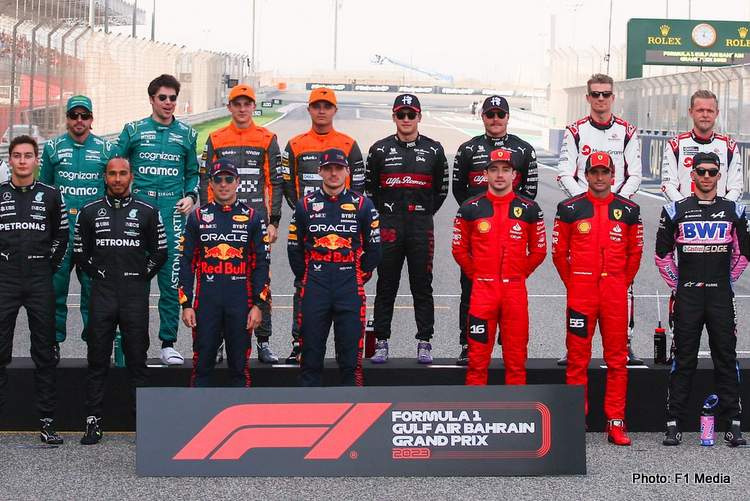
Formula 1 is one of the most glamorous and high-paying sports in the world. But how much do F1 drivers make in 2026? The answer varies widely — from £0.5 million for rookies to over £52 million per year for top champions.
The biggest stars like Max Verstappen and Lewis Hamilton earn massive salaries, along with performance bonuses, sponsorship deals, and endorsements that push their total income even higher.
Let’s break down everything you need to know about how much do F1 drivers make, including salaries, bonuses, and rookie pay.
Average F1 Driver Salary in 2026
In 2026, Formula 1 driver salaries range between:
- Low end (Rookies & small teams): £500,000 — £2 million
- Mid-tier drivers: £5 million — £15 million
- Top drivers: £20 million — £52 million+
Converted to USD, that means:
- $0.5 million — $70 million per year
Top drivers often earn over $50 million annually, especially when bonuses and sponsorships are included.
Highest Paid F1 Drivers in 2026
Here’s a breakdown of some of the highest-paid F1 drivers:
Top F1 Driver Salaries (2026)
| Driver | Team | Estimated Salary |
|---|---|---|
| Max Verstappen | Red Bull | £52 million |
| Lewis Hamilton | Ferrari / Mercedes era earnings | £48 million |
| Charles Leclerc | Ferrari | £27 million |
| Fernando Alonso | Aston Martin | £20 million |
| Lando Norris | McLaren | £20 million |
| George Russell | Mercedes | £15 million |
| Carlos Sainz | Ferrari / New Team | £10–15 million |
| Sergio Perez | Red Bull | £10 million |
These figures do not include bonuses or sponsorship deals, which can significantly increase total earnings.
Why F1 Drivers Earn So Much
Several factors influence how much do F1 drivers make:
1. Experience
World champions and veteran drivers earn more because:
- They bring marketing value
- They attract sponsors
- They help develop the car
Example:
- Max Verstappen earns £52M due to dominance and championship success.
2. Team Budget
Big teams pay more:
- Red Bull
- Ferrari
- Mercedes
- McLaren
Smaller teams like:
- Haas
- Williams
- Sauber
Usually pay lower salaries.
3. Performance Bonuses
Drivers often earn bonuses for:
- Race wins
- Podium finishes
- Championship points
- World Championship titles
A driver winning the championship could earn millions in bonuses.
Rookie F1 Driver Salaries
New drivers earn much less compared to stars.
Typical rookie salaries:
- £500,000 — £1.5 million per year
- Some rookies earn under £1 million
Examples:
- New drivers often start with basic contracts
- Performance bonuses increase earnings later
Some drivers even pay for seats early in their careers through sponsorship backing.
Do F1 Drivers Get Bonuses?
Yes — bonuses are a huge part of F1 income.
Common bonuses include:
- Race win bonus: £250,000 — £1 million
- Podium finish bonus: £50,000 — £250,000
- Championship bonus: Millions
- Team performance bonus
These bonuses can double a driver’s income.
Sponsorship & Endorsement Earnings
Many drivers earn more outside Formula 1 than from salaries.
Top drivers partner with:
- Watch brands
- Clothing companies
- Car manufacturers
- Luxury brands
Examples:
- Lewis Hamilton earns millions from endorsements
- Max Verstappen has major sponsor deals
- Lando Norris earns from streaming & brands
Total earnings can reach:
- $70 million+ per year for top drivers
Do F1 Drivers Pay Their Own Expenses?
Not usually. Teams often cover:
- Travel
- Accommodation
- Training
- Medical care
This means most of their salary becomes pure income.
Lowest Paid F1 Drivers
Drivers in smaller teams earn:
- £500,000 — £3 million
These drivers often focus on:
- Building reputation
- Secoring future contracts
- Improving performance
However, even the lowest-paid F1 drivers earn more than most athletes.
How F1 Salaries Compare to Other Sports
F1 drivers are among the highest-paid athletes.
Comparison:
- F1 drivers: Up to £52 million
- Football players: £1M — £60M
- NBA players: $1M — $50M
- Tennis players: Performance-based
But F1 has only 20 drivers, making it extremely exclusive.
Why Only 20 Drivers Earn This Much
Formula 1 has:
- 10 teams
- 2 drivers per team
- Only 20 seats worldwide
This makes F1:
- One of the hardest sports to enter
- One of the highest-paying careers
Competition is extremely tough.
Future F1 Salary Trends
Experts predict salaries will:
- Continue rising
- Increase with sponsorship growth
- Grow with global popularity
With Formula 1 expanding worldwide, driver earnings are expected to grow.
Final Answer: How Much Do F1 Drivers Make?
So, how much do F1 drivers make?
- Rookie drivers: £500,000 — £2 million
- Mid-tier drivers: £5 million — £15 million
- Top drivers: £20 million — £52 million+
- Total earnings with sponsorships: Up to $70 million+
Formula 1 remains one of the most lucrative sports careers in the world.
From rookies earning under £1 million to champions earning over £50 million, F1 salaries vary dramatically — but one thing is clear:
Being an F1 driver is not just fast — it’s incredibly profitable.