
Introduction
Moving a car across the country can be overwhelming, with long drives, fuel costs, and vehicle wear and tear. Professional car transport services simplify the process by handling everything with specialized carriers. Skip the hassle—let experts manage your car transport in Australia for a stress-free experience.
Understanding Car Transport Service in Australia
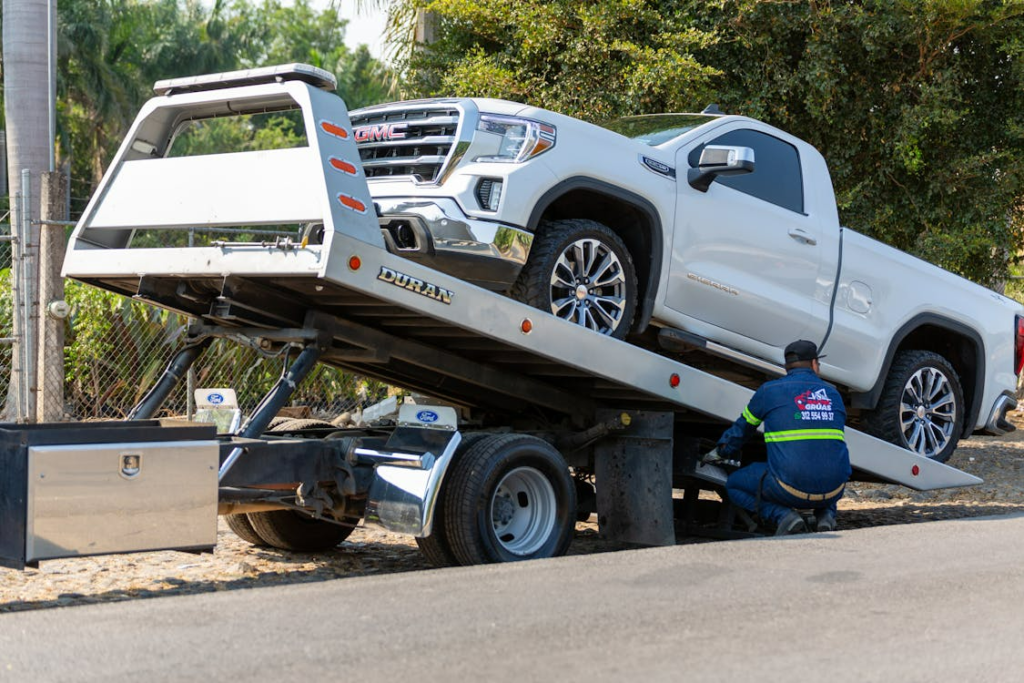
A car transport service moves your vehicle from one location to another without you needing to drive it—ideal for long distances like interstate transport. Professionals handle all logistics to ensure your car arrives safely and smoothly. Here’s how the process works and why many choose this service.
What Is a Car Transport Service and How Does It Work?
A car transport service specializes in moving vehicles using multi-car carriers—the same trucks manufacturers use to deliver new cars to dealerships. Instead of driving your car yourself, you book the service, and your vehicle is picked up and loaded onto a secure, modern carrier with other cars headed in the same direction. The company handles all logistics, including routing and driving, until your car is ready for pickup or delivery at the destination. It’s a safe, efficient way to transport your vehicle across Australia.
Popular Reasons for Moving Cars Across Australia
People use car relocation services for various reasons—not just moving to a new state. These services save time and meet diverse needs nationwide.
Common reasons include:
- Household Moves: Relocating to another state without the hassle of driving.
- Buying or Selling: Delivering vehicles purchased out of state.
- Car Enthusiasts: Transporting classic or luxury cars to events or for maintenance.
- Corporate Moves: Moving employees’ cars or company fleet vehicles.
A safe, efficient transport solution is essential in each case. Costs depend on vehicle type, distance, and service level, so requesting a detailed quote is important.
Types of Car Transport Options Available
Not all car transport needs are alike, so professional services offer various options. The best choice depends on your budget, vehicle type, and specific requirements. Your car’s value and condition also guide the service level you need.
When requesting quotes, you’ll see several options. Understanding them helps you choose the right service and ensures your vehicle is well cared for during transport. Here are the main types of transport solutions available.
Open vs. Enclosed Carriers
One of your first decisions is choosing between open and enclosed car carriers. Open carriers are common, cost-effective, and reliable for standard vehicles but expose cars to weather and road debris.
Enclosed carriers provide maximum protection, making them ideal for high-value, classic, or luxury vehicles. They shield your car from the elements and offer peace of mind—some even cover challenging routes like the Nullarbor Plain.
Here’s a quick comparison:
| Feature | Open Carriers | Enclosed Carriers |
| Protection | Exposed to weather and road debris | Fully protected from all external factors |
| Cost | More affordable and widely available | Premium price for added security |
| Best For | Standard cars, SUVs, daily drivers | Luxury, classic, or sentimental vehicles |
| Service Example | Standard depot-to-depot moves | Premium service with higher warranty coverage |
Interstate vs. Intrastate Car Transport Solutions
A key difference is choosing between interstate and intrastate transport. Intrastate transport moves your vehicle within the same state—usually a shorter, simpler process that may use a small car trailer for local moves.
Interstate transport crosses state lines and is more complex due to distance and regulations. A dedicated team manages logistics, including scheduling and compliance.
For interstate moves, depot-to-depot service is a popular, cost-effective choice. You drop off your car at one city’s depot and pick it up at another, simplifying logistics and often lowering costs.
The Booking Process for Car Transport Service
After exploring your options, booking is easy with modern car transport companies. Most steps—from getting quotes to finalizing details—can be done online.
A simple booking process sets expectations for the whole service. Reliable providers offer clear instructions and customer support for any questions. Here’s how to book your car transport.
Getting Quotes and Comparing Services
The best way to find a reliable service is to get an instant online quote. Enter your pickup and delivery locations and vehicle details for a quick estimate.
However, don’t focus on price alone. Compare the quality and range of services offered. Reputable companies are transparent about what their pricing includes.
When comparing quotes, consider:
- Service Tiers: Are there options like standard, express, or premium enclosed?
- Inclusions: What warranty or insurance is provided?
- Flexibility: Is depot-to-depot or door-to-door service available?
- Reviews: What do customers say about their experience?
Steps to Secure a Car Transport Booking
Booking car transport is straightforward. After reviewing your quote and service details, you can book online or through customer service.
Provide your vehicle’s make, model, drivable status, and mention any modifications or damage. You may need original documents to verify ownership.
Once details are confirmed and payment is made, your booking is secured. You’ll receive confirmation with pickup and delivery dates and contact information for questions.
Preparing Your Vehicle for Transport
Proper vehicle preparation ensures a smooth handover and transport process. Before the car transport providers arrive, clean your vehicle, inspect it, and remove all personal items. This protects you, helps the team, and prevents issues or delays on pickup day.
Essential Steps Before Handing Over Your Vehicle
To prepare your car for transport, follow these key steps:
- Wash your car thoroughly to allow for accurate inspection.
- Inspect your car personally and photograph it from all angles to document its condition.
- Follow these preparation rules:
- Fuel tank: Keep only a quarter tank of gas.
- Vehicle condition: Ensure the car is drivable with at least 120mm ground clearance.
- Alarms: Disable all alarms to prevent activation during transit.
- Keys: Provide a full set of keys to the driver.
Can You Leave Personal Items in the Car?
A common question is whether you can pack personal items in your car to save on moving costs. The answer is almost always no. For safety and legal reasons, car transport companies require vehicles to be completely empty.
Extra items add weight and may violate road regulations. They’re also not covered by the company’s insurance, so if anything is lost or damaged, you won’t be compensated.
To avoid issues, remove all belongings before pickup—including clothes, electronics, spare parts, and documents. Shipping these separately is safer and more reliable.
What Happens During Pickup, Transit, and Delivery
Once your car is booked and ready, the transport company manages the entire journey. Whether you drop it off at a depot or arrange home pickup, the process is efficient.
You’ll receive regular updates on your car’s location for peace of mind. The company handles all driving, routing, and scheduling until your car arrives at its destination.
Typical Timelines for Car Transport Across States
Transport time for cars across Australia depends on route and distance, with estimates given in business days (excluding weekends and public holidays). Short routes, like Sydney to Melbourne, take a few business days, while cross-country moves such as Brisbane to Perth take longer due to greater distances and possible use of vessels.
Major city routes—Adelaide, Sydney, Melbourne, Brisbane, and Perth—are well-established. However, timelines are only estimates; weather, road closures, or vessel availability (especially for Western Australia) can cause delays.
The Delivery and Inspection Process Explained
The final step is vehicle delivery. You’ll be notified when your car arrives at the depot or is scheduled for home delivery. You or a designated person must be present to receive it.
During delivery, perform a final inspection by comparing your car’s condition to the original report. This ensures everything matches what you left.
If you find any issues, document them immediately and contact customer support.
Conclusion
In summary, understanding how car transport services work in Australia is key to moving your vehicle safely and efficiently. Choose the right service—open or enclosed carrier—and prepare your car in advance for a smooth process. Whether moving interstate or intrastate, follow the booking and preparation steps to make informed decisions. For a seamless experience, request a free quote today.
Keep an eye for more latest news & updates on Cars Destiny!